Understanding Nutrition and Natural Food Sources
Educational resource exploring the composition of everyday foods and their role in balanced nutrition
Educational content only. No promises of outcomes.
Overview of Essential Micronutrients
Micronutrients—vitamins and minerals—are organic and inorganic compounds that the body requires in small quantities to maintain various biological functions. These substances support metabolism, immune function, energy production, and tissue repair.
Different foods provide varying combinations of micronutrients. Understanding which foods contain specific nutrients helps explain the diversity of dietary patterns across cultures and regions. This knowledge is purely informational and contributes to general understanding of nutrition science.
Micronutrients include B vitamins, vitamin C, vitamin D, vitamin E, and minerals such as iron, zinc, magnesium, calcium, and potassium. Each plays a distinct role in normal physiological processes.
Natural Sources of Vitamin Complexes
Vitamin B-complex vitamins are found in a variety of whole foods. Whole grains contain thiamine, riboflavin, and niacin. Legumes such as lentils and chickpeas provide folate and additional B vitamins. Leafy green vegetables, fish, and eggs are also significant sources.
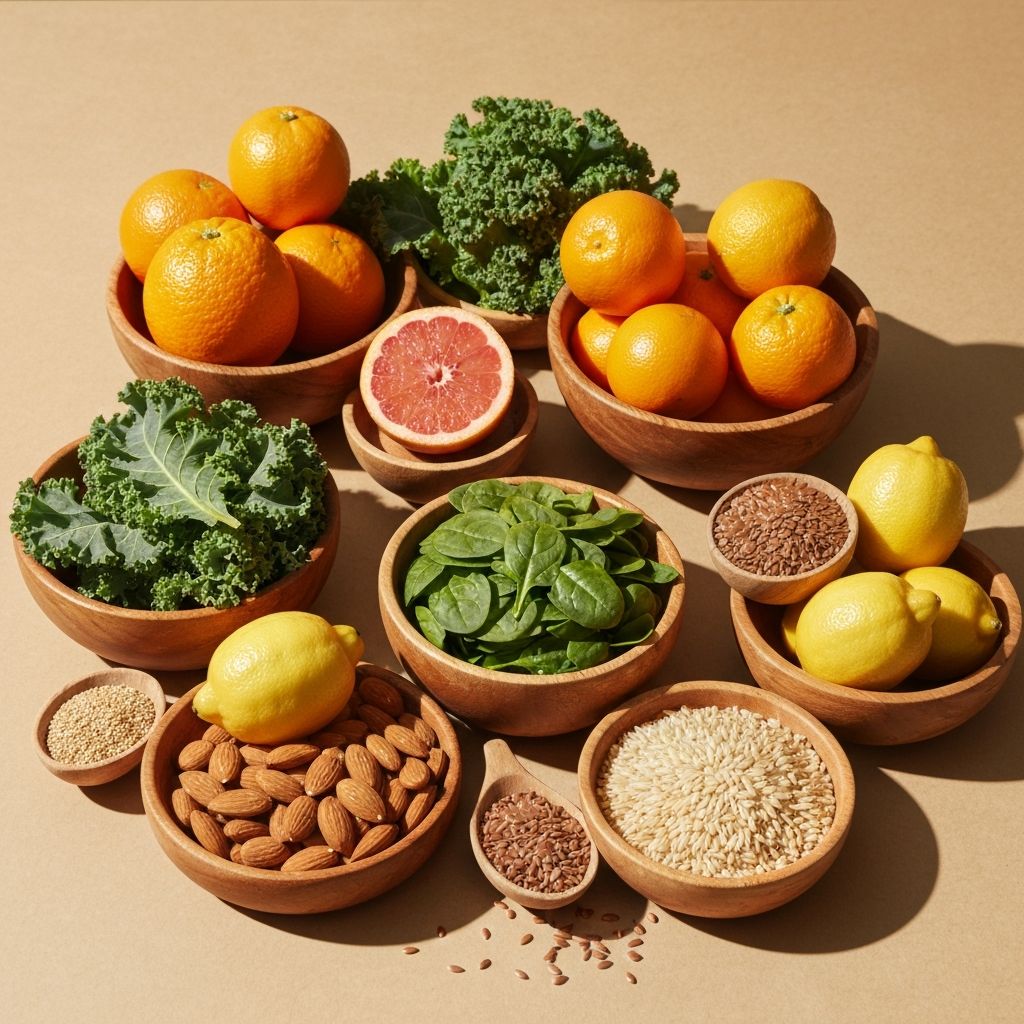
Vitamin C is abundant in citrus fruits, berries, and raw vegetables. This water-soluble vitamin is essential for collagen formation and acts as an antioxidant.
Vitamin E is found in nuts, seeds, and plant oils. It serves as a fat-soluble antioxidant in cell membranes.
Products – Whole Grains and Legumes
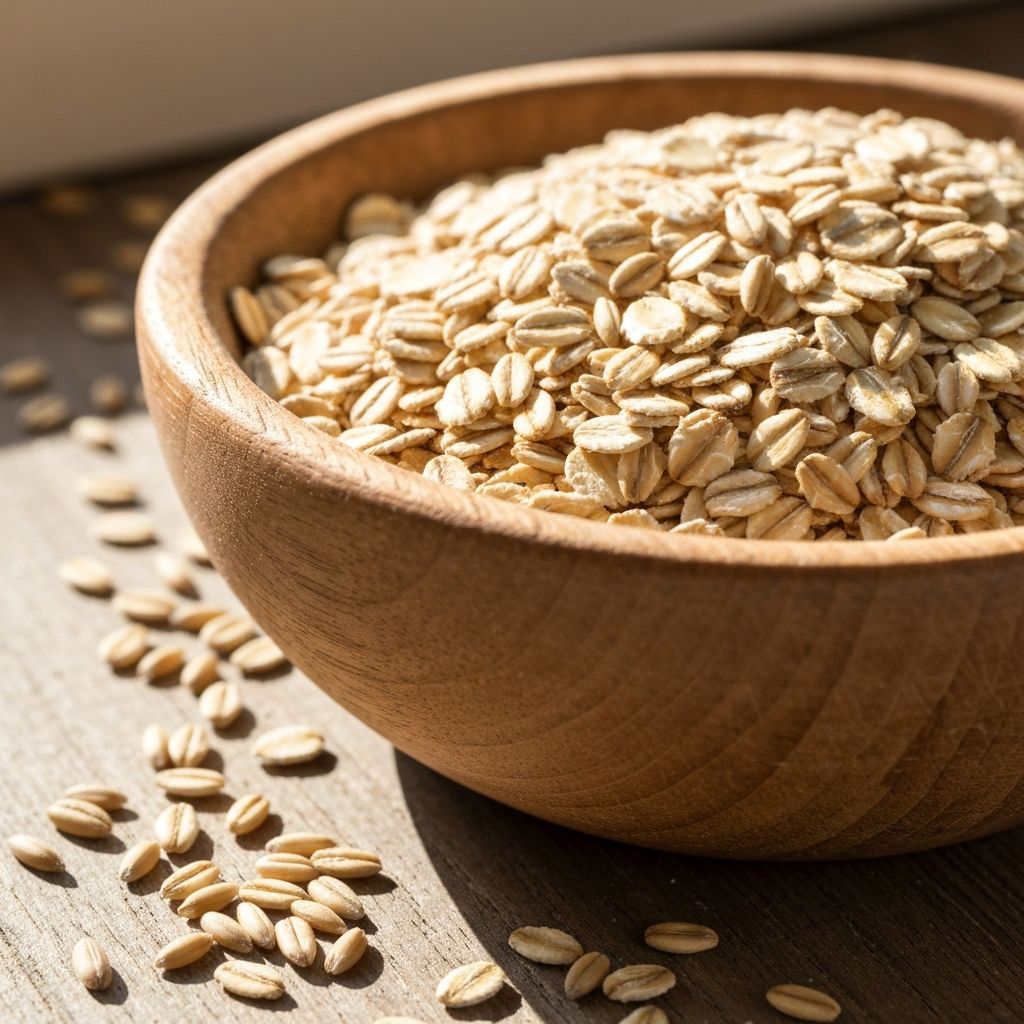
Oats
Whole oats are a source of complex carbohydrates, dietary fiber, and B vitamins. They also contain manganese and magnesium, minerals involved in energy metabolism and bone health.
Learn more about oats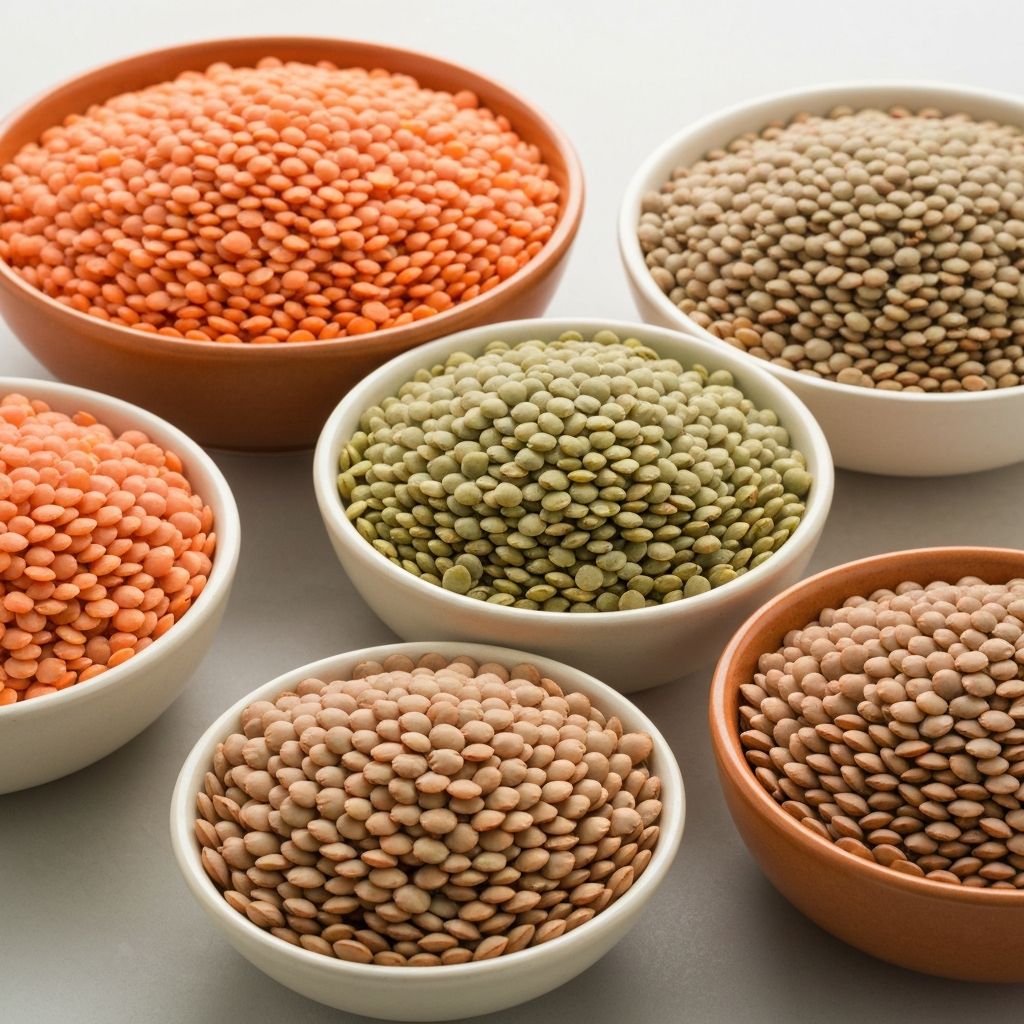
Lentils
Lentils provide plant-based protein, dietary fiber, and micronutrients including iron, folate, and polyphenols. They are a staple in Central European and Mediterranean cuisines.
Learn more about lentils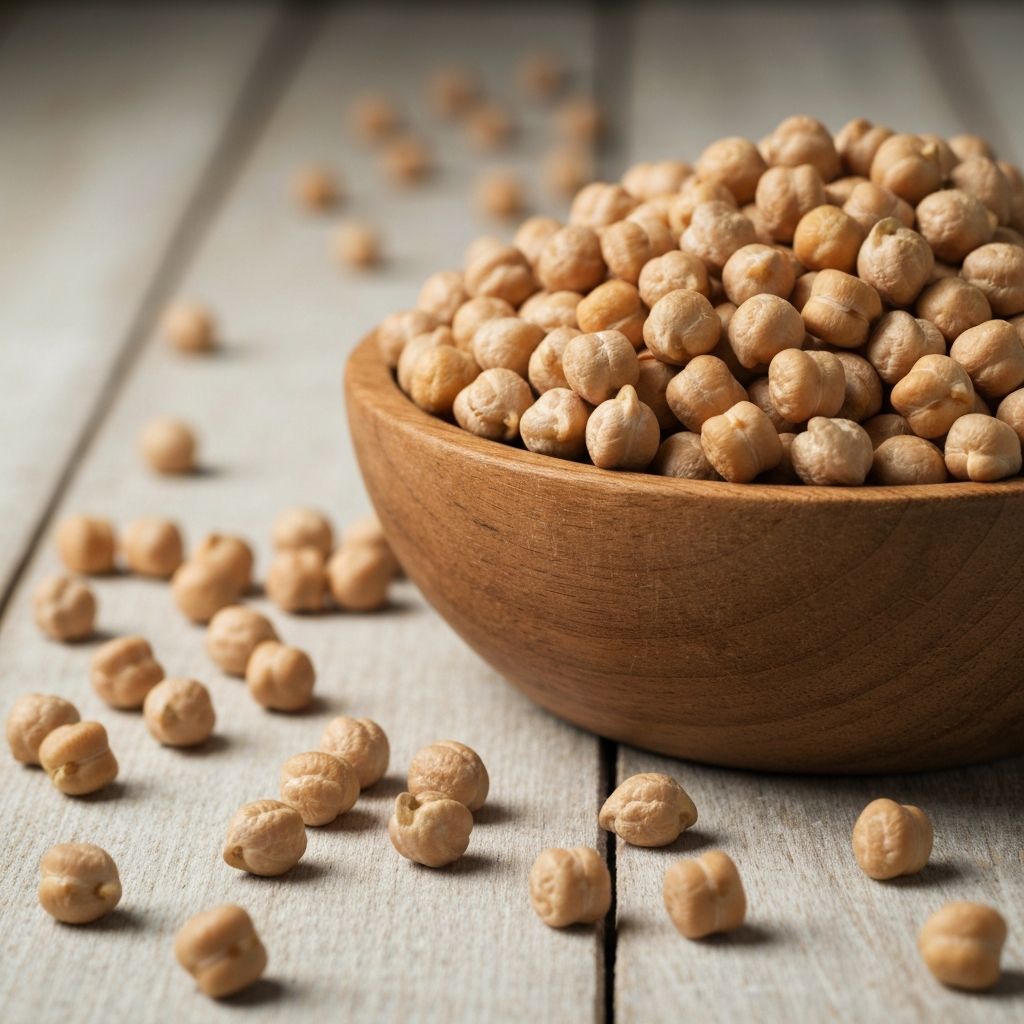
Chickpeas
Chickpeas are legumes rich in protein, fiber, and minerals such as manganese and iron. They contain compounds studied for their metabolic properties in traditional nutrition.
Learn more about chickpeasProducts – Berries and Orchard Fruits
Blueberries
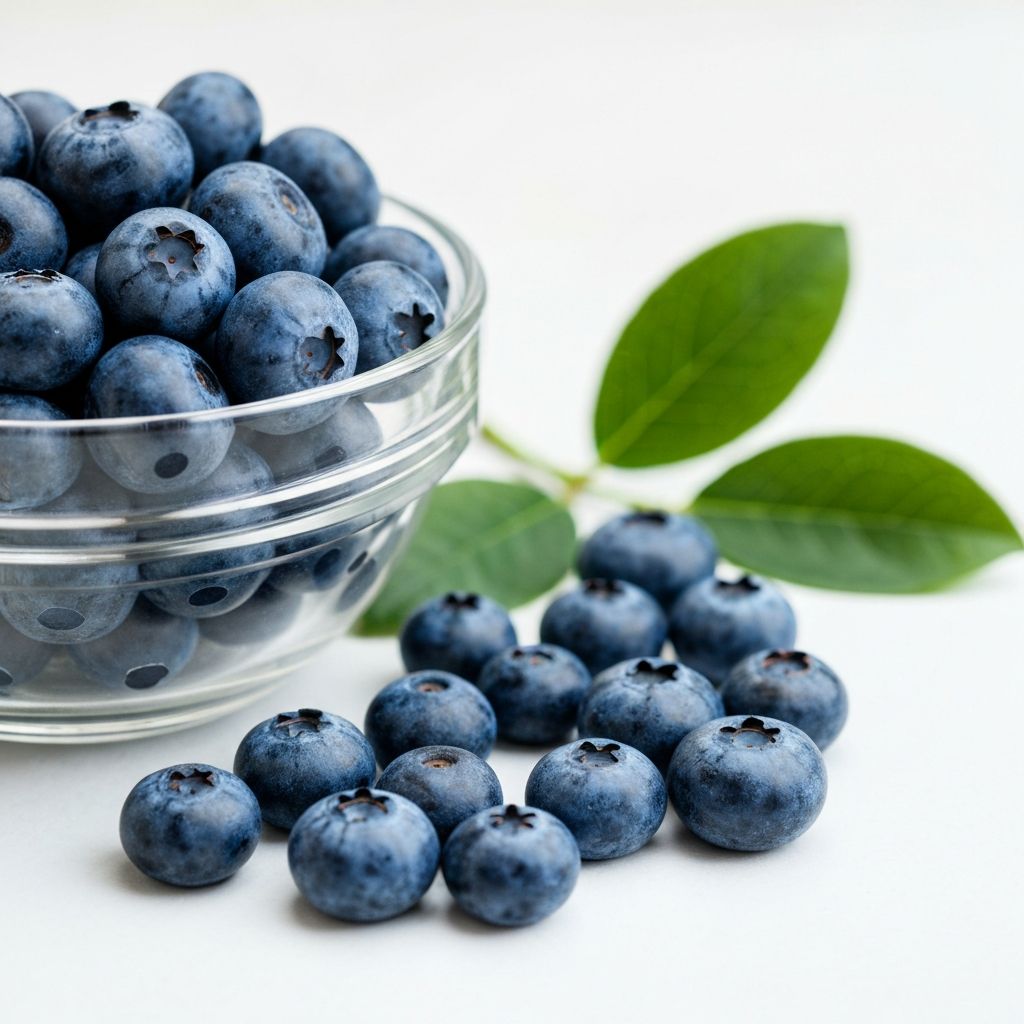
Blueberries contain anthocyanins and other polyphenolic compounds. These antioxidants are natural pigments that contribute to the fruit's color and are studied for their biological activity.
Learn more about blueberries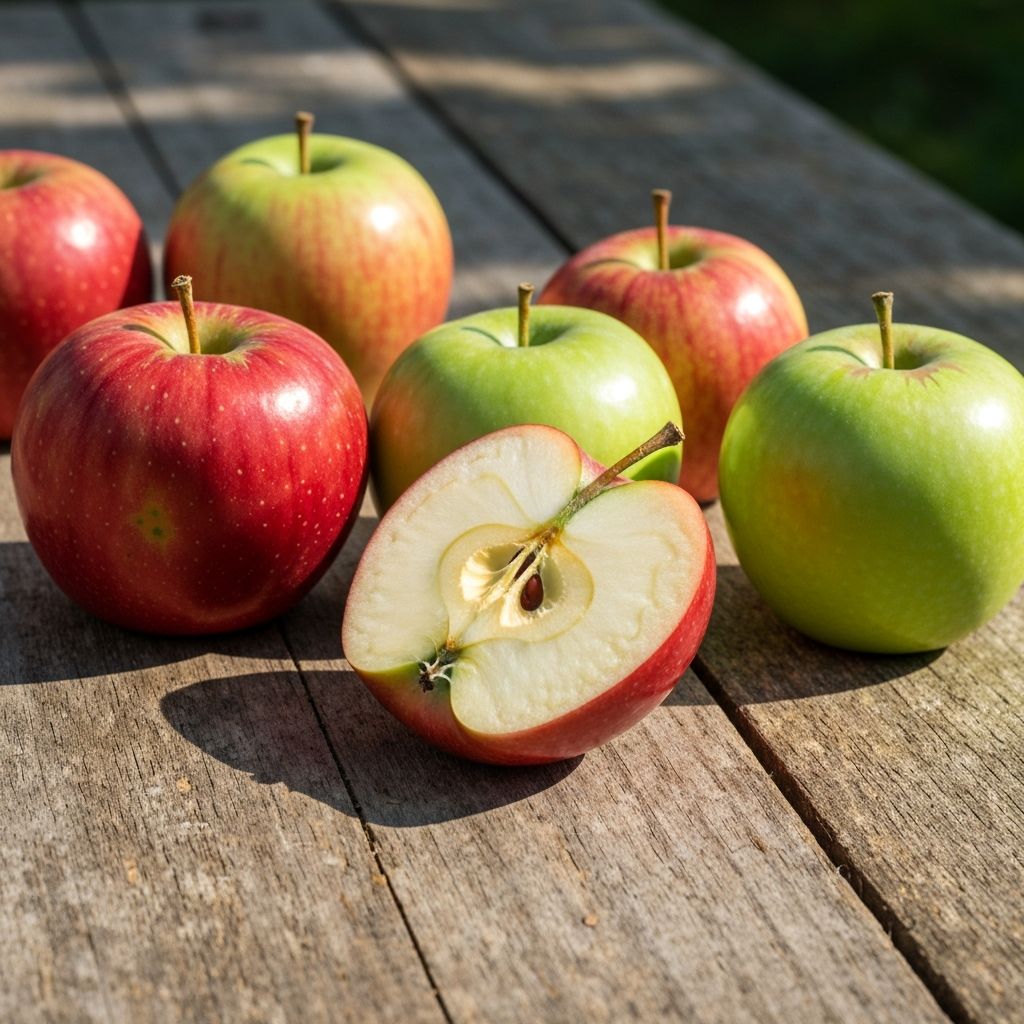
Apples
Apples provide dietary fiber, vitamin C, and polyphenols. They are cultivated throughout Central Europe and are a traditional component of balanced diets across the region.
Learn more about apples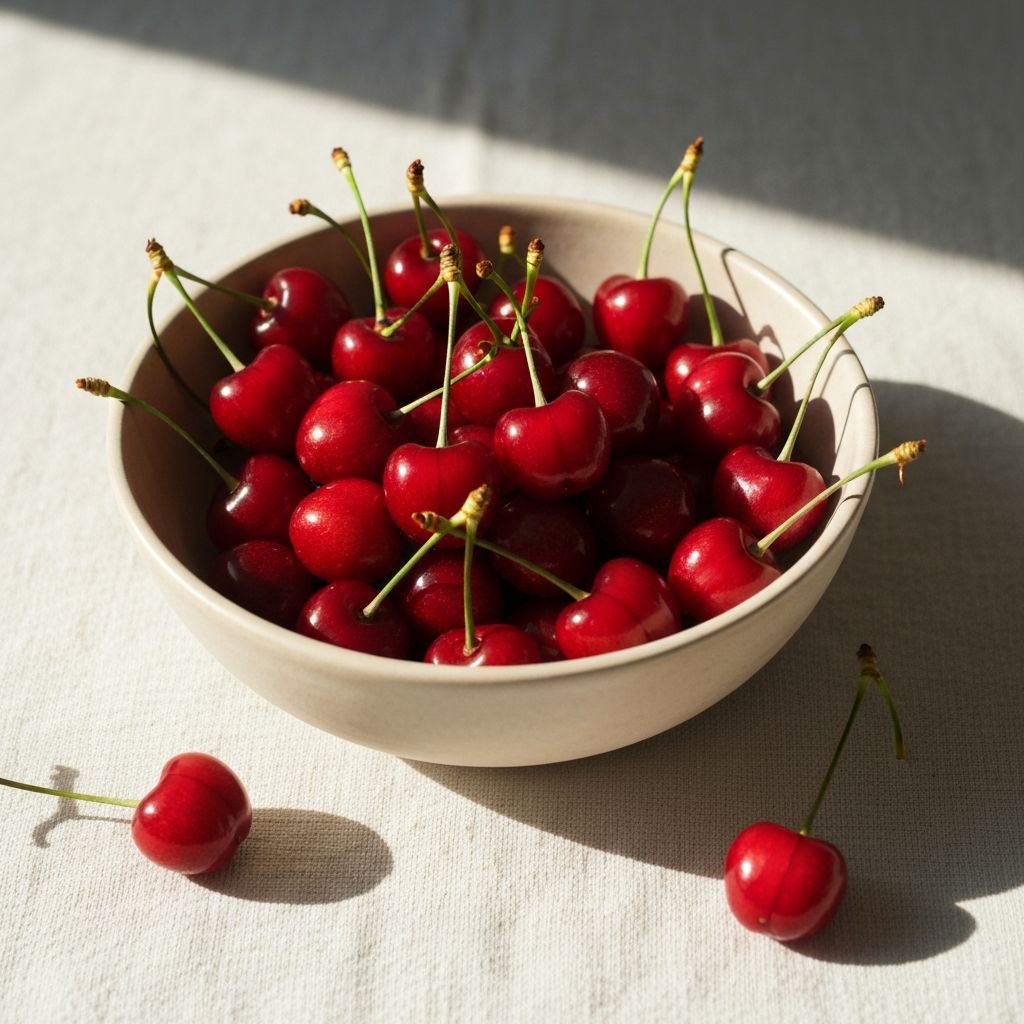
Cherries
Cherries contain vitamin C, potassium, and anthocyanins. They are seasonal fruits commonly used in Central European cuisine and traditional food preparations.
Learn more about cherriesVegetables Rich in Antioxidants
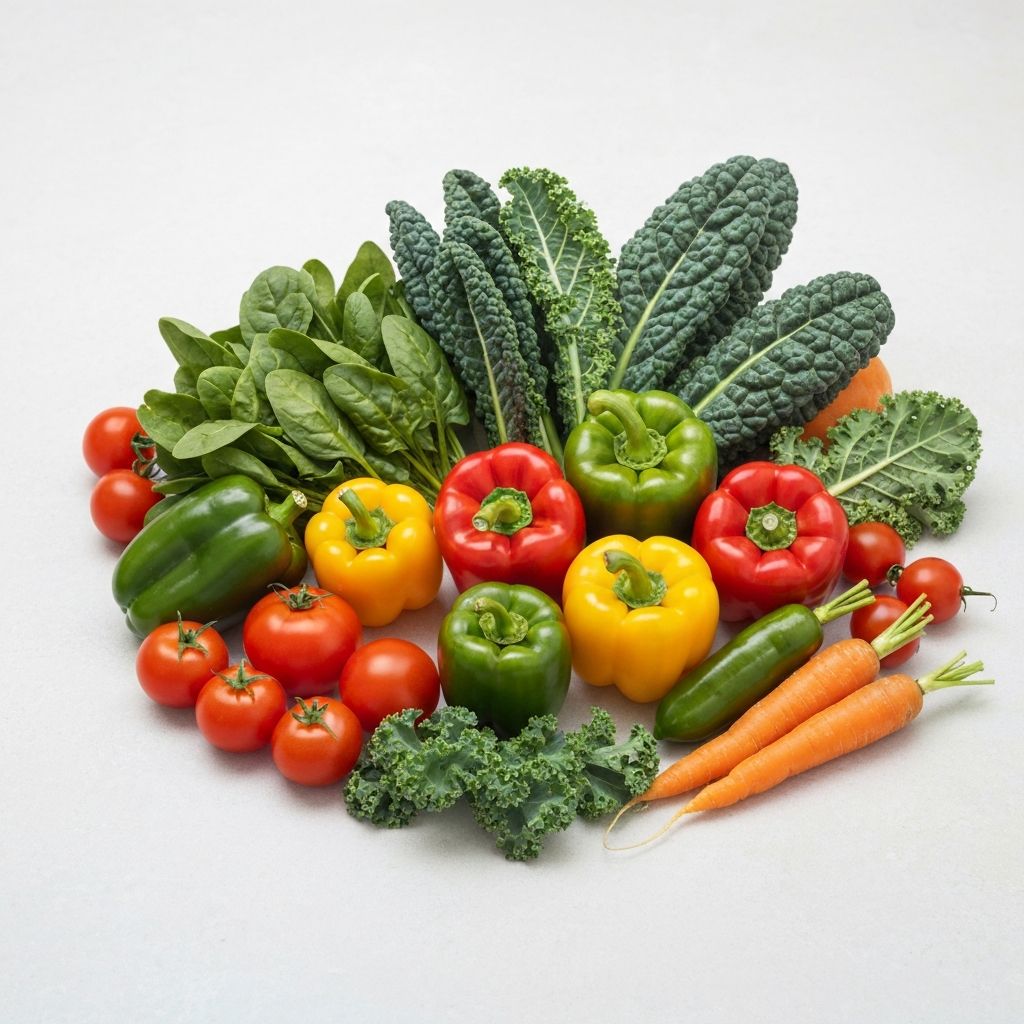
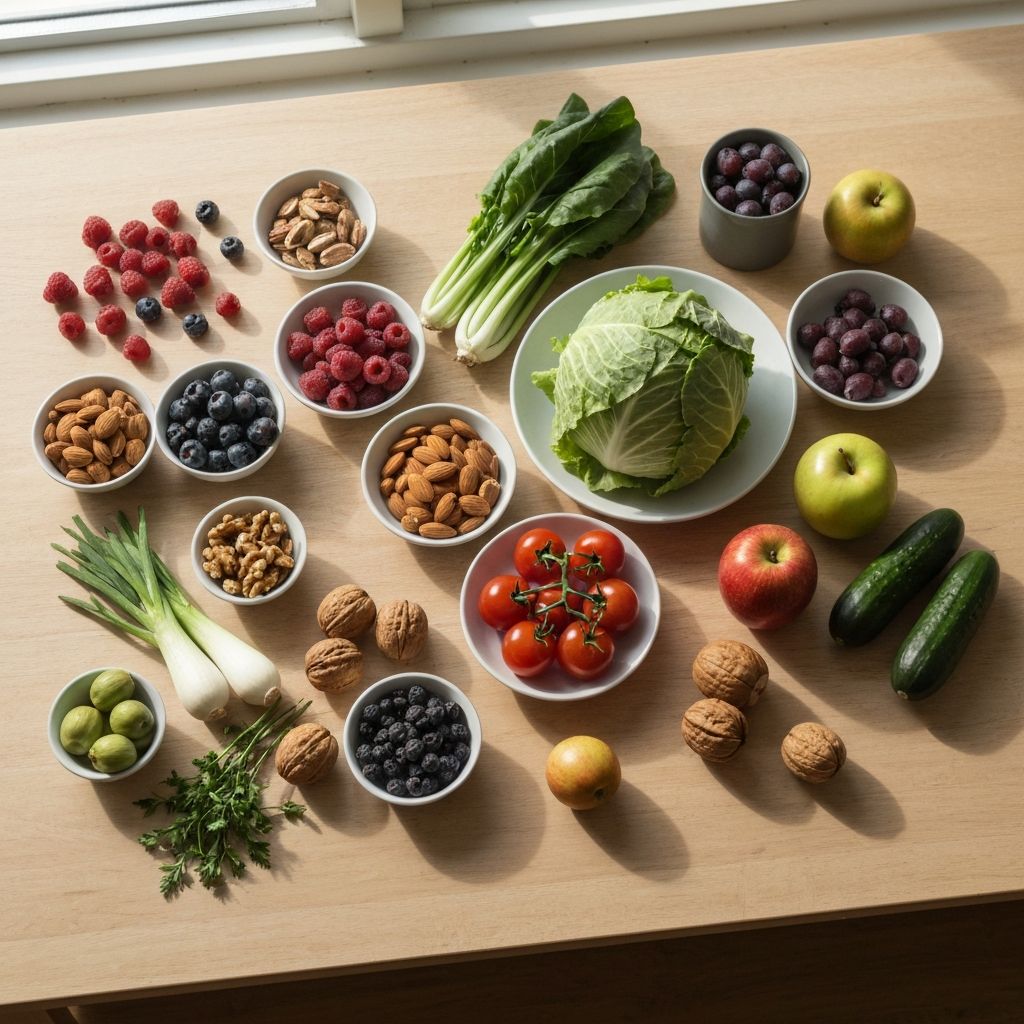
Leafy green vegetables such as spinach and kale are rich in lutein, zeaxanthin, and other carotenoids. These compounds are natural pigments with antioxidant properties.
Red and orange vegetables—carrots, bell peppers, tomatoes—contain beta-carotene, a precursor to vitamin A. These pigments support normal vision and skin health.
Cruciferous vegetables such as broccoli and cabbage contain sulforaphane and indoles, compounds investigated for their cellular protective properties.
Antioxidants in vegetables work synergistically with other dietary components. This is why consuming a variety of vegetables is recommended in nutritional guidance across Europe.
Role of Healthy Fats in Daily Nutrition
Dietary fats are essential macronutrients required for hormone production, vitamin absorption, and cell membrane structure. Different types of fat have distinct compositions and effects in the body.
Monounsaturated fats are found in olive oil, nuts, and avocados. These fats are predominant in Mediterranean and Central European cuisines.
Polyunsaturated fats include omega-3 and omega-6 fatty acids. Sources include fatty fish (salmon, mackerel), flaxseeds, and walnuts. Omega-3 fatty acids are involved in inflammation regulation and cardiovascular function.
Saturated fats are present in dairy products, eggs, and meat. Moderate consumption is part of balanced dietary patterns.
The ratio of different fat types in the diet varies by region. Northern European diets incorporate fish oils, while Mediterranean diets emphasize olive oil. Both patterns are studied for their nutritional properties.
Mineral Content in Common European Foods
Iron exists in two forms: heme iron (from animal products) and non-heme iron (from plant sources). Red meat, fish, legumes, and fortified grains provide iron. Absorption is enhanced by vitamin C.
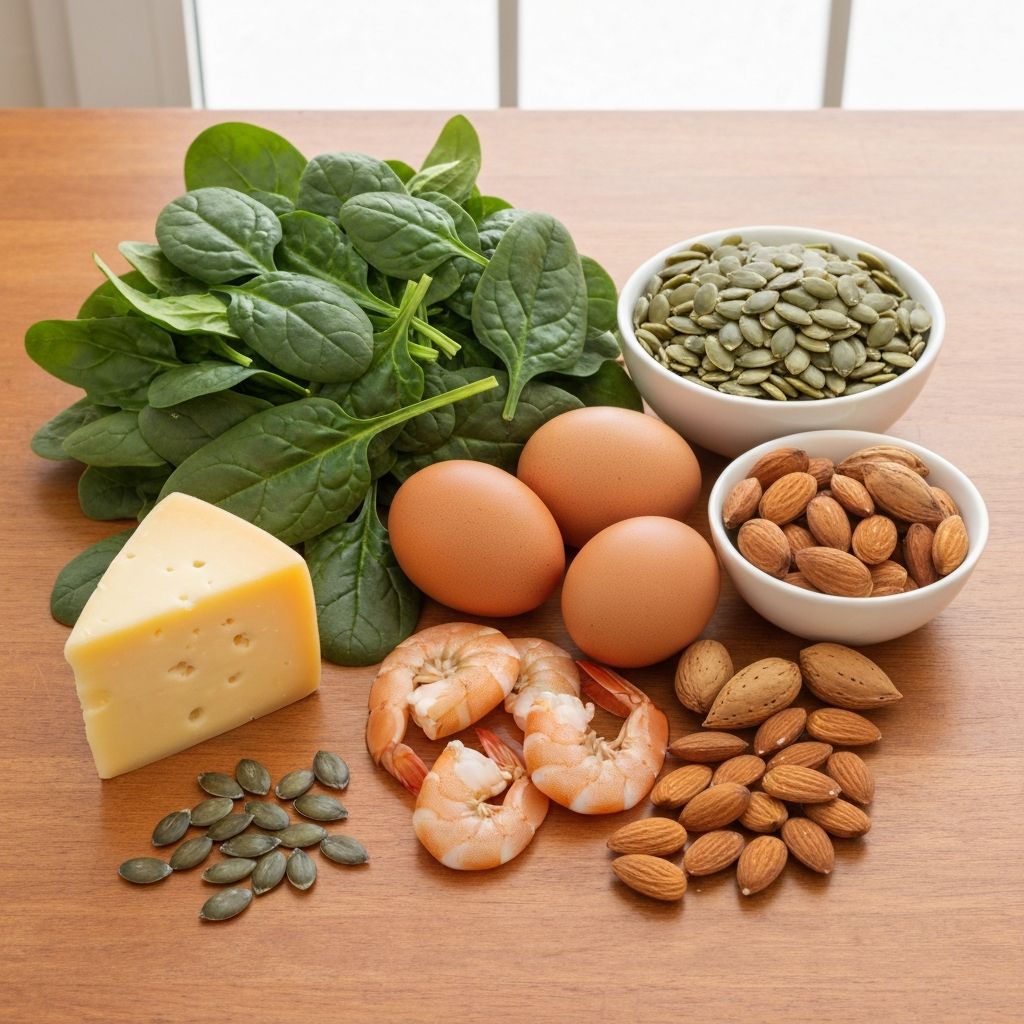
Zinc is found in meat, shellfish, legumes, nuts, and seeds. This mineral supports immune function and protein synthesis.
Magnesium is abundant in whole grains, nuts, seeds, and leafy vegetables. It participates in over 300 enzymatic reactions in the body.
Calcium sources include dairy products, leafy greens, and fish with edible bones. Calcium is essential for bone structure and muscle function.
Potassium is found in bananas, potatoes, beans, and vegetables. It regulates fluid balance and muscle contraction.
Influence of Soil and Season on Nutrient Levels
The nutrient content of foods is influenced by multiple environmental and agricultural factors. Soil composition determines the mineral availability to plants. Soils rich in specific minerals produce crops with higher concentrations of those nutrients.
Growing season length affects nutrient accumulation. Crops harvested at peak ripeness have higher micronutrient levels than early-harvested produce. This is one reason seasonal eating is recommended in traditional nutrition practices.
Storage duration affects nutrient retention. Fresh, recently harvested produce retains more vitamins than produce stored for extended periods. This explains regional variations in food preservation methods across Europe.
Farming practices—including crop rotation, composting, and pesticide use—impact soil health and nutrient cycling. Organic and conventional farming methods produce foods with varying nutrient profiles, a topic of ongoing nutritional research.
Water-Soluble vs Fat-Soluble Vitamins
Water-soluble vitamins include vitamin C and B-complex vitamins. These dissolve in water and are not stored in the body in significant amounts. Excess quantities are excreted, making regular dietary intake important. Food preparation methods—boiling, soaking—can reduce water-soluble vitamin content.
Fat-soluble vitamins include vitamins A, D, E, and K. These dissolve in fats and are stored in body fat and liver tissue. Absorption requires dietary fat intake. Excess fat-soluble vitamins accumulate in the body, so intake typically remains within safe ranges through normal dietary consumption.
Understanding this distinction explains why certain vitamins are more susceptible to loss during cooking and storage. It also clarifies why fat-soluble vitamin absorption is enhanced by consuming them with dietary fat sources.
Regional Dietary Patterns in Central Europe
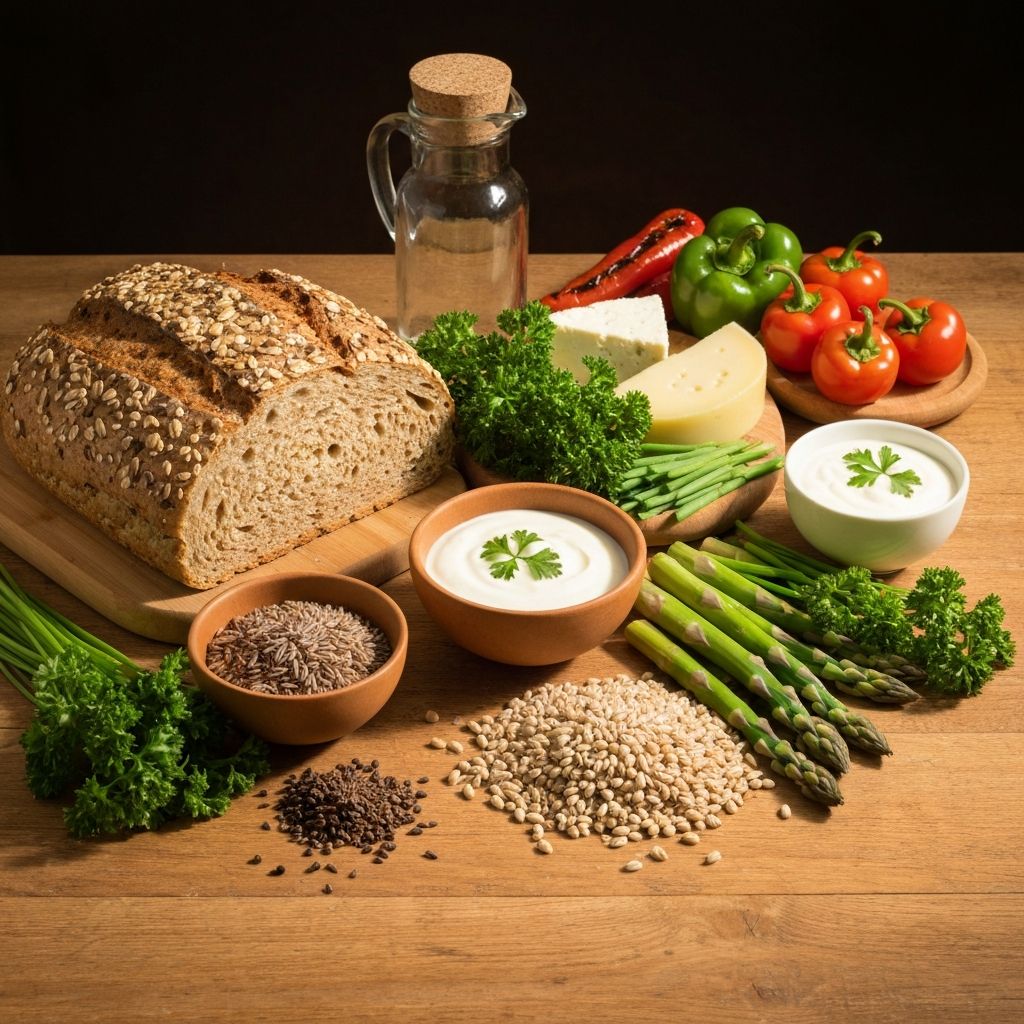
Central European dietary traditions reflect local agriculture and cultural practices. Whole grains—rye, barley, oats—form the foundation. Legumes provide protein and micronutrients.
Root vegetables—potatoes, beets, turnips—were historically significant for winter nutrition due to their storage properties. Fermented vegetables like sauerkraut provided probiotics and preserved nutrients.
Dairy products—cheese, yogurt, milk—are traditional sources of calcium and B vitamins. Seasonal variations influenced meat and fish consumption patterns.
This dietary pattern reflects adaptation to local climate, soil conditions, and available crops. Modern nutritional science recognizes Central European traditional diets as balanced and sustainable approaches to daily nutrition.
Regional diversity in eating patterns demonstrates that multiple dietary approaches support healthy daily nutrition. No single pattern is universally optimal; individual variation and cultural preferences are significant factors.
Continue Learning
Explore more detailed information about specific nutrients and food sources.